
Best pan-asian food in Dhaka is no longer a hotel-only experience. In 2026 the city has proper Japanese ramen, Thai curries, Korean bowls, Vietnamese pho and Cantonese dim sum all within a few kilometres of Banani and Gulshan. This guide covers where to eat pan-asian food in Dhaka, what a real pan-asian menu should look like, typical prices, and how to tell an authentic kitchen from a fusion one.
What Is Pan-Asian Food?
Pan-asian is not a cuisine — it is a range. A genuine pan-asian restaurant draws from several Asian cooking traditions on one menu: Japanese (sushi, ramen, teriyaki), Thai (green curry, tom yum, pad thai), Korean (bulgogi, gochujang glazes), Vietnamese (pho, spring rolls), Chinese (wok dishes, dim sum) and Indonesian or Malaysian (nasi goreng, satay). The point is variety with discipline: each dish should taste like its country of origin, not like a compromise between all of them.
Why Pan-Asian Dining Is Booming in Dhaka
Three shifts explain the growth:
- Lighter, fresher preferences. Diners in Banani, Gulshan and Dhanmondi are moving away from heavy gravies toward steamed, grilled and broth-based food.
- Office and expat demand. Lunch crowds want one venue that satisfies a mixed table — sushi for one, curry for another, noodles for a third.
- Better supply chains. Fresh sushi-grade fish, Thai herbs, Korean chilli paste and Japanese rice are now imported reliably, so kitchens can cook properly instead of improvising.
Best Areas for Pan-Asian Food in Dhaka
| Area | What You Will Find | Best For | Typical Spend (per person) |
|---|---|---|---|
| Banani | Full pan-asian kitchens, sushi counters, ramen bars | Date nights, group dinners | BDT 1,200–2,500 |
| Gulshan 1 & 2 | Hotel-grade Japanese and Thai | Business meals, expats | BDT 1,800–3,500 |
| Dhanmondi | Affordable Thai and Chinese, student-friendly | Casual weeknight dinners | BDT 700–1,400 |
| Uttara | Family-style Asian grills and buffets | Weekend family outings | BDT 900–1,600 |
| Bashundhara City area | Food-court Asian, quick bowls | Shopping-day lunches | BDT 400–900 |
Banani leads in 2026 because it has the critical mass of serious kitchens within walking distance — which is also why we put it at the top of our gourmet food in Banani 2026 dining guide.
Fat Duck at Verte: Pan-Asian Done Right in Banani
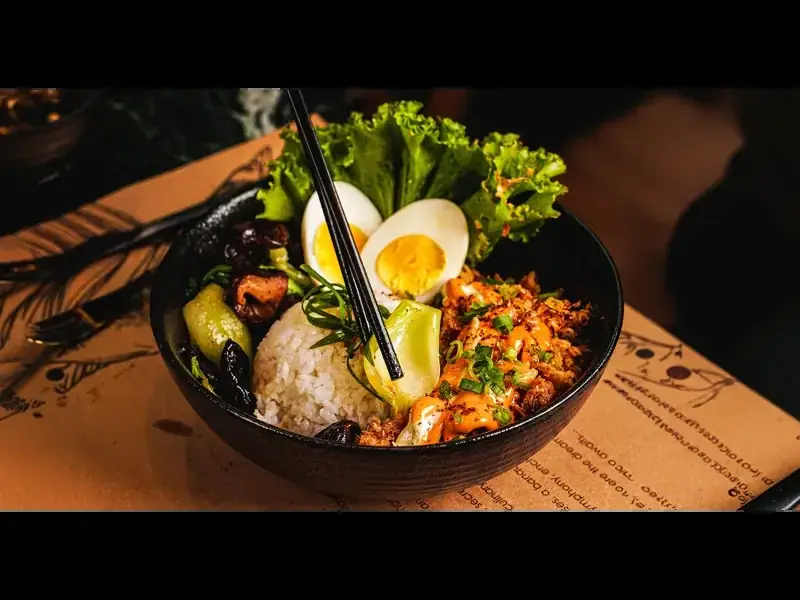
Fat Duck is the pan-asian concept inside Verte, the multi-restaurant building in Banani. Here the menu travels from Japanese ramen and sushi through Thai curries and Korean-style grills to Chinese wok dishes, all served in one seating. What makes it work is separation: each cuisine has its own prep line, so the Thai kitchen is not flavouring the sushi rice.
You can read the full menu breakdown in our Fat Duck pan-asian cuisine guide, or see the signature plates in the pan-asian delights at Fat Duck feature. Because Verte houses three concepts under one roof, you can also compare the same table’s options before ordering — see how the Fat Duck dining experience at Verte Banani is structured.
Cuisines on a Pan-Asian Menu: What to Order
- Japanese: salmon avocado roll, chicken katsu curry, shoyu ramen with a soft egg. Order if you want something light and precise.
- Thai: green curry with jasmine rice, tom yum goong, pad thai with prawn. The best test of a kitchen is its green curry — it should be fragrant, not sweet.
- Korean: bulgogi beef, kimchi fried rice, gochujang-glazed chicken. Expect gentle heat and fermented depth.
- Vietnamese: beef pho, fresh spring rolls with peanut sauce, lemongrass grilled chicken.
- Chinese: wok-fried beef with broccoli, chilli garlic prawn, vegetable fried rice — the comfort end of the menu.
- Malaysian / Indonesian: nasi goreng, chicken satay with peanut sauce, laksa where available.
How to Choose a Pan-Asian Restaurant in Dhaka
- Menu width vs. menu depth. Twelve dishes from six countries is a good sign; sixty dishes from six countries usually means a microwave kitchen.
- Fish handling. Ask where the sushi fish comes from and how often deliveries arrive. Sashimi should be cut to order.
- Broth and curry bases. Real tom yum and real ramen broth are made daily. If the taste is flat and one-note, it came from a powder.
- Customisation. Good kitchens will adjust chilli, sugar and noodle firmness on request.
- Consistency of rice. Jasmine, sushi and nasi rice should each be cooked differently — one shared rice cooker for all three is a red flag.
Menu Highlights and Prices (2026)
| Cuisine | Dish | Indicative Price (BDT) |
|---|---|---|
| Japanese | Sushi platter (8–10 pcs) | 750–1,400 |
| Japanese | Chicken katsu / ramen bowl | 550–950 |
| Thai | Green or red curry with rice | 600–1,050 |
| Thai | Pad thai with prawn | 550–900 |
| Korean | Bulgogi beef bowl | 700–1,200 |
| Vietnamese | Beef pho | 500–850 |
| Chinese | Wok beef / chilli prawn | 600–1,100 |
| Shared | Spring rolls, edamame, satay | 300–600 |
Prices vary by venue and seafood market rates. A comparable snapshot of what a full Asian meal costs across Banani is in our healthy food in Dhaka 2026 restaurant guide.
Pan-Asian Eating That Is Actually Healthy
Pan-asian is one of the easiest cuisines in Dhaka to eat well in — if you order deliberately. Choose steamed or grilled mains over deep-fried, ask for sauce on the side, swap white rice for brown where offered, and keep to two shared starters instead of one starter each. Broth-based dishes (pho, tom yum, ramen) are naturally lower in calories than cream- or coconut-heavy plates.
For a curated list of lighter options across the city, see our guide to healthy dining in Dhaka at Verte’s Eat Green and the wider vegetarian and vegan restaurants in Banani 2026 round-up.
Frequently Asked Questions
What is the best area for pan-asian food in Dhaka?
Banani is the strongest area in 2026, with several dedicated pan-asian kitchens within walking distance, including Fat Duck at Verte. Gulshan is the premium alternative with hotel restaurants, while Dhanmondi offers the best value.
How much does pan-asian food cost in Dhaka?
Expect BDT 1,200–2,500 per person in Banani for a full meal of sushi or ramen, a main course and a drink. Quick bowls in food courts run BDT 400–900, and hotel Japanese counters can reach BDT 3,500 per person.
Is pan-asian food spicy?
It varies by cuisine. Thai and Korean dishes can be hot, Japanese and Vietnamese food is usually mild, and most Dhaka kitchens will adjust the spice level if you ask before ordering.
What is the difference between pan-asian and Indo-Chinese?
Indo-Chinese is a local fusion style — sweet, chilli-heavy, batter-fried dishes adapted to Bangladeshi tastes. Pan-asian covers several authentic Asian cuisines side by side, with each dish kept close to its original recipe.
Do pan-asian restaurants in Dhaka take reservations?
Yes, and you should book for Friday and Saturday evenings. Weekday lunches are usually walk-in friendly, but sushi counters and ramen bars have limited seating and fill quickly after 7 PM.
Visit Fat Duck at Verte, Banani
Verte is in Banani, Dhaka, with three restaurants in one building — pan-asian at Fat Duck, healthy dining at Eat Green, and gourmet fast food at GFC. Exact hours, contact numbers and directions are on the Verte Banani location and contact page, and the three concepts under one roof page explains how to plan a multi-course evening across all three kitchens.
Bottom line: for pan-asian food in Dhaka in 2026, pick a kitchen that specialises rather than one that merely lists everything — and in Banani, Fat Duck at Verte is where to start.